Island Explorer Series: Rum

Discovering Rum: Scotland’s Wild Island of Peaks, Ponies & Extraordinary Stories
The jagged skyline of the Isle of Rum with its unmistakable volcanic peaks is one of the unforgettable silhouettes of the Hebrides. Stepping ashore, you’ll quickly find yourself immersed in the island’s rugged beauty, colourful history, and abundant wildlife. Below is a glimpse of what awaits you on one of the most dramatic islands in the Hebrides—whether you’re drawn by mountains, folklore, or simply the quiet wildness that Rum does so well.
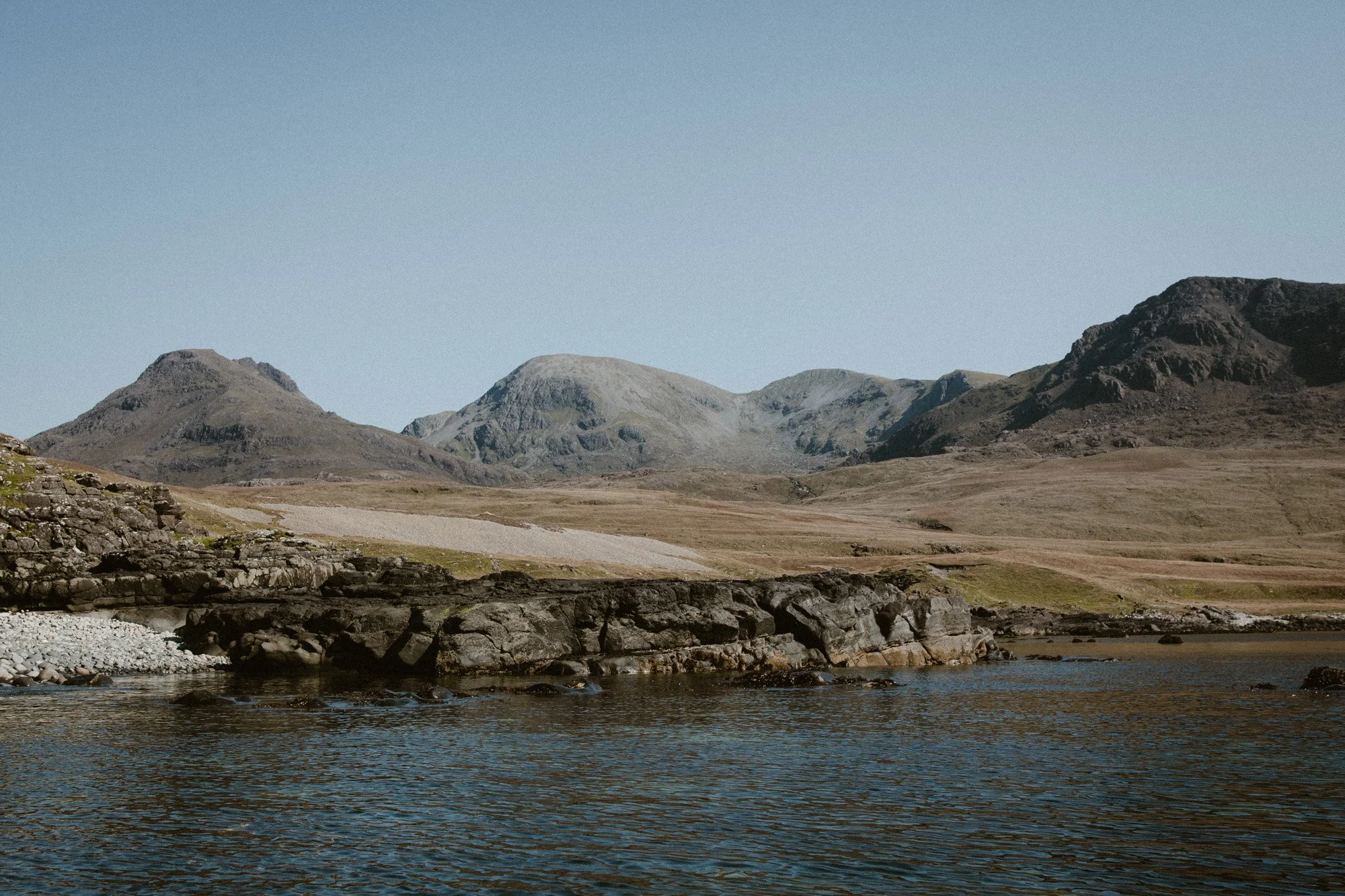
Part of the Small Isles archipelago (alongside Eigg, Muck, and Canna), Rum lies 15 miles off the west coast of Scotland and is the largest of the group. Managed primarily by NatureScot, this island is one of Scotland’s great natural treasures. Rum is home to a world-class National Nature Reserve, famous red deer, thriving seabird colonies, and the extraordinary geological formations of the Rum Cuillins. Its landscape shifts from deep glens and volcanic ridges to sweeping beaches and fertile coastline, each telling the story of an island shaped by fire, ice, and human endeavour.
Despite its remote feel, Rum’s history is rich and full of character. The island’s most eye-catching landmark, Kinloch Castle, was built in the late 19th century by the wealthy industrialist George Bullough—a lavish Edwardian hunting lodge filled with curiosities from around the world. Today, although awaiting restoration, it remains an iconic and intriguing glimpse into a bygone era. Earlier still, Rum was an important centre for early human settlement: archaeological sites reveal traces of Mesolithic life, and the island holds one of the best-preserved examples of Bronze Age roundhouses in Scotland.
To make the most of your time ashore, we recommend exploring one of Rum’s excellent walking routes. A popular choice begins at Kinloch Village and follows the track into Kinloch Glen, a peaceful valley where deer graze, golden eagles soar, and the remnants of ancient settlements can still be found. Continue onwards to Kilmory Bay, famous for its long-running red deer research project, and you may catch sight of the majestic stags that Rum is renowned for.
Rum also offers one of the most atmospheric viewpoints in the Small Isles. Climb the impressive rise behind Kinloch Village—Hallival viewpoint—and you’ll be rewarded with a breathtaking panorama of the entire island chain, with Eigg’s distinctive Sgùrr rising proudly from the sea. On clear days, the Outer Hebrides appear like a shadowed line on the horizon.
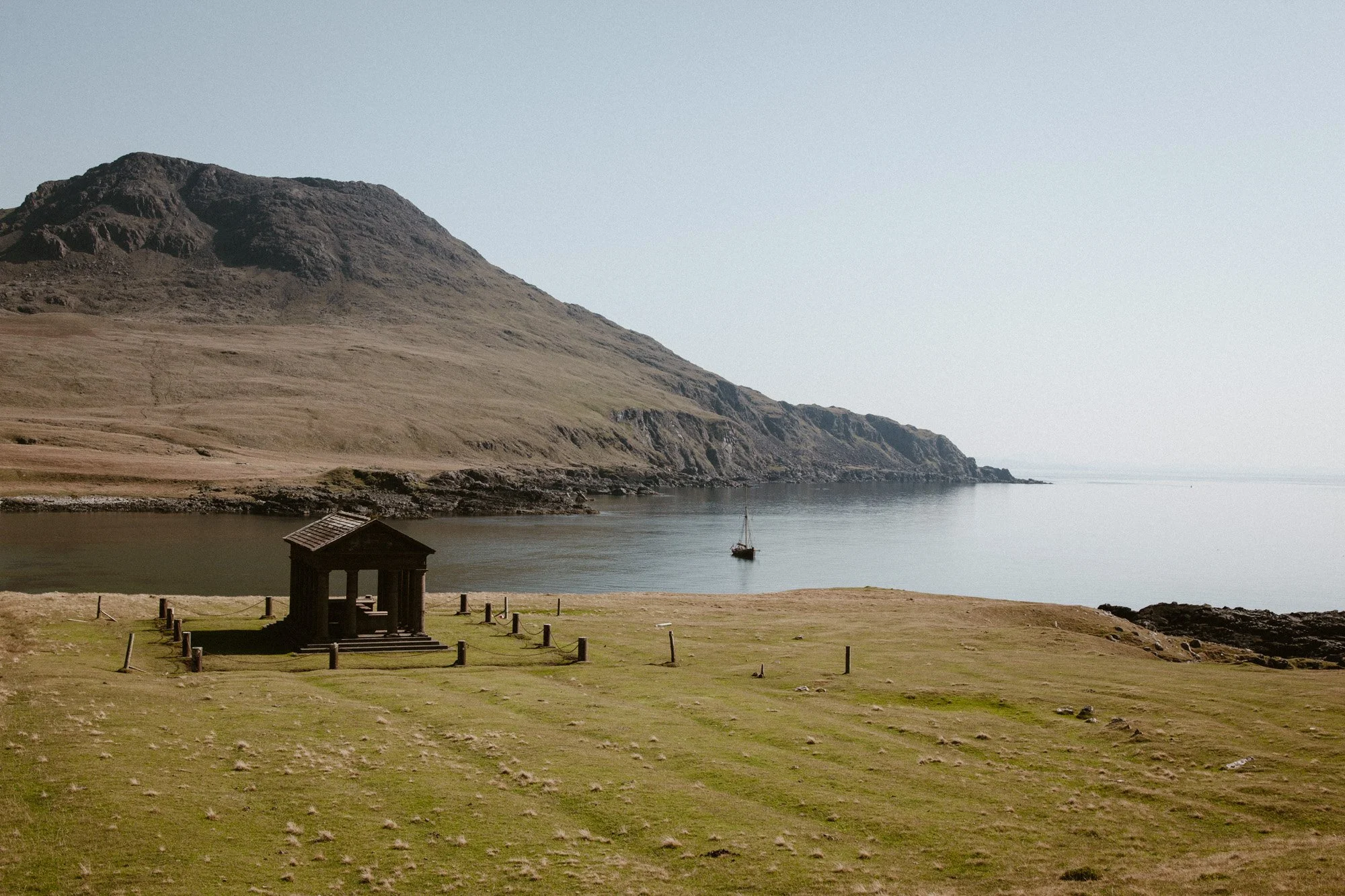
For those exploring Rum’s wilder western side, a visit to the Bullough Mausoleum is a deeply atmospheric detour. Set above Harris Bay, this striking stone structure was commissioned by the Bullough family and designed in an Art Nouveau style that feels almost surreal against the raw landscape surrounding it. The mausoleum sits alone among the heather and basalt, framed by sweeping views across the Atlantic. Reaching it involves a longer walk across open moorland, but those who make the journey are rewarded with a powerful sense of solitude, history, and the strange grandeur of Rum’s former lairds. It is one of the island’s most evocative landmarks—a quiet, windswept reminder of the lives and legacies that shaped Rum’s past.
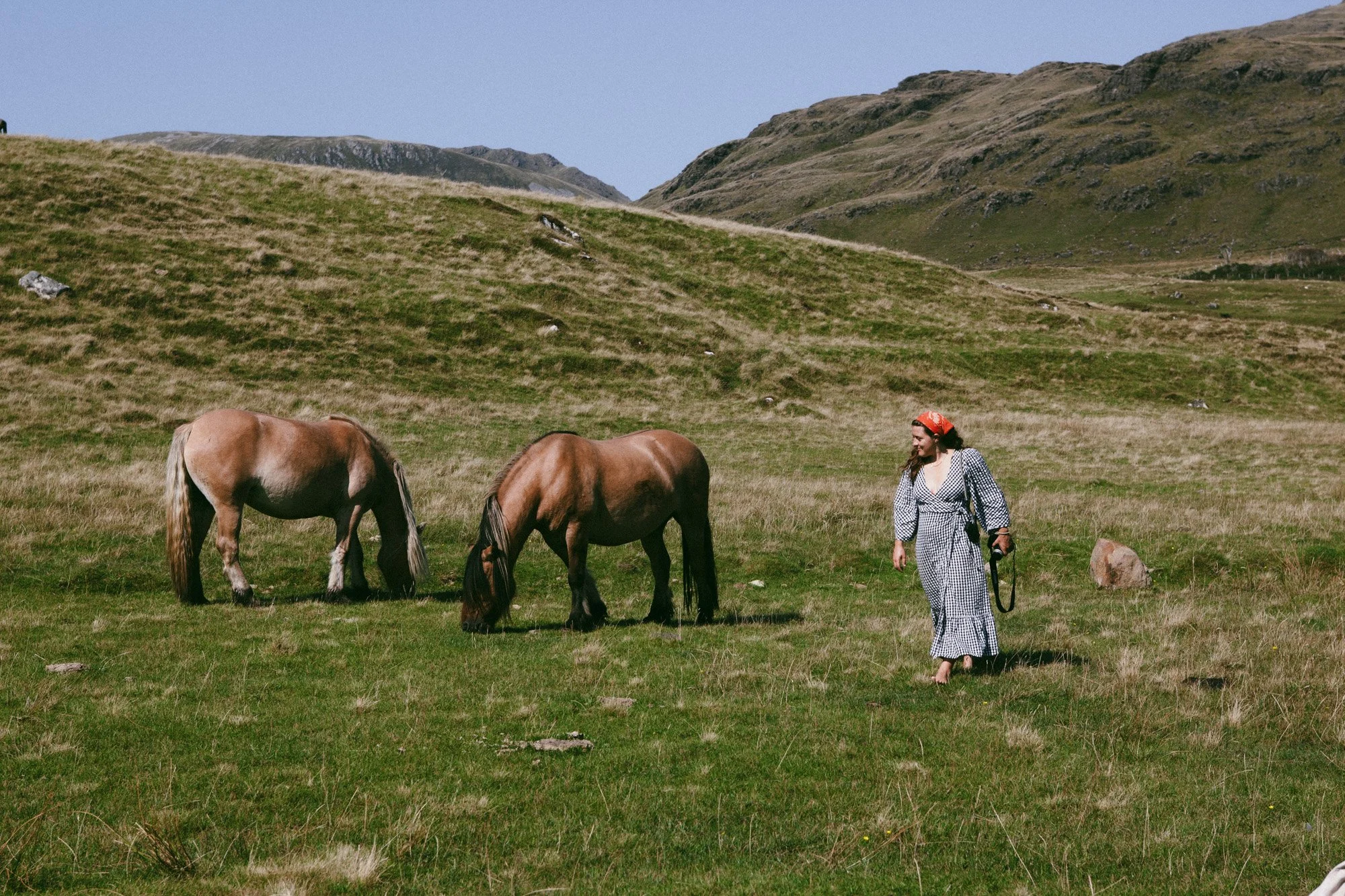
Rum is also home to the much-loved Rum Ponies, a hardy and historic breed once used by estate workers for stalking and carrying deer off the hill. Today, a small herd still roams the island, often seen grazing around Kinloch Glen, spotting them in the wild is always a treat!